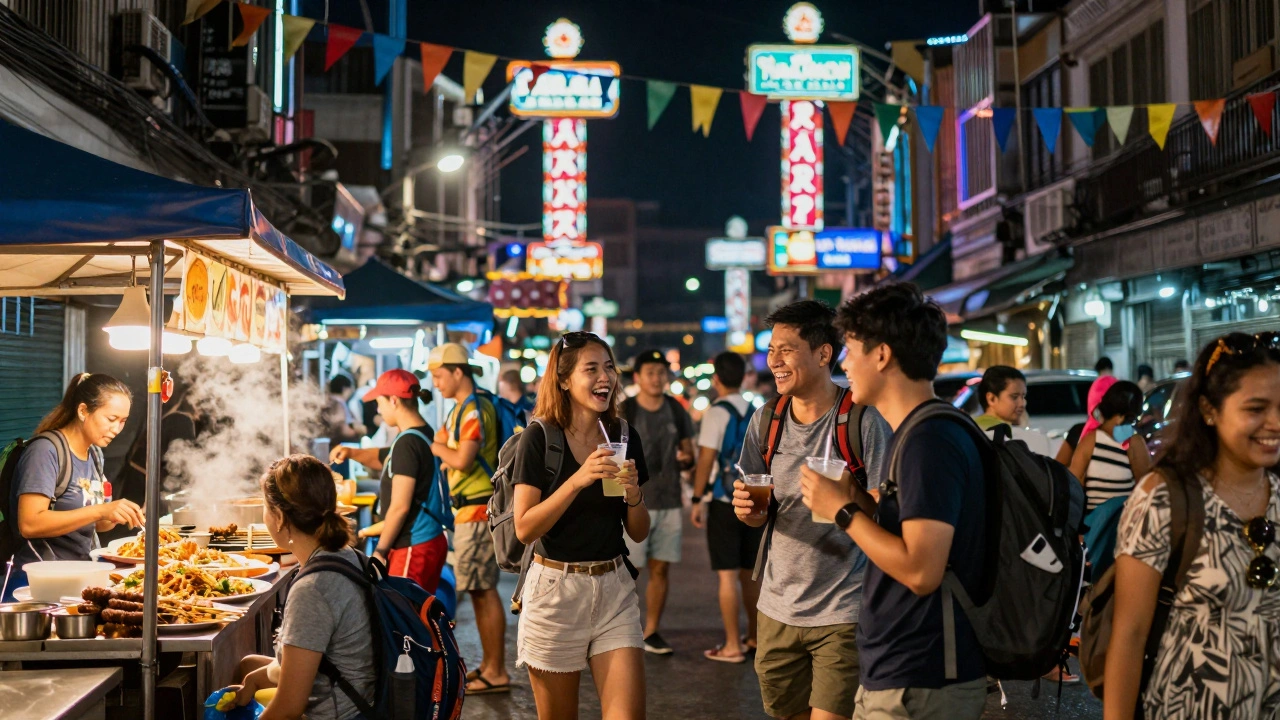
Walking down Khao San Road at midnight or cruising through the neon-lit streets of Patpong, it is easy to feel like you have stepped into a different world. The energy is electric, the air is thick with humidity and street food smells, and people are everywhere. For many travelers, this sensory overload is exactly why they came to Bangkok. But beneath the surface of the party atmosphere lies a complex social landscape that can be confusing, and sometimes dangerous, for those who do not know the rules.
You might have heard whispers about the "types" of people working the night scene. There is a persistent myth that the city’s nightlife is neatly categorized into distinct tiers of sex workers, often referred to in crude online forums as "Thai hookers." This terminology is not only offensive but also completely inaccurate. It reduces human beings to stereotypes and ignores the reality of how the industry actually operates. Instead of looking for mythical categories, it is far more useful to understand the actual dynamics of the nightlife districts, the common scams targeting tourists, and how to navigate these areas with respect and safety.
The Reality Behind the Stereotypes
When people talk about "types," they are usually trying to make sense of a vast and diverse workforce. In reality, there are no official categories. You will find students working part-time jobs in bars to pay for tuition, women from rural provinces seeking better economic opportunities, and individuals from neighboring countries like Cambodia, Laos, and Myanmar who face their own set of challenges. Some work in high-end clubs where appearance and demeanor are strictly regulated by management. Others might be found in go-go bars or massage parlors, where the lines between entertainment and solicitation can blur.
It is crucial to recognize that every individual has a unique story. Labeling them based on superficial traits-such as language skills, clothing style, or location-is not just reductive; it is harmful. Many women in the nightlife industry are highly educated and speak multiple languages fluently. They are navigating a difficult environment, often dealing with exploitation by bar owners or agency fees. Understanding this context helps shift your perspective from objectification to empathy. If you are interested in learning more about the nuances of the local scene, resources like Bangkok escort services often provide insights into the broader landscape, though it is important to approach such topics with caution and ethical consideration.
Navigating Major Entertainment Districts
Bangkok’s nightlife is spread across several key areas, each with its own vibe and crowd. Knowing where you are going can help you manage expectations and stay safe.
- Khao San Road: This is the backpacker hub. It is loud, chaotic, and filled with cheap drinks and street performers. While it is generally safe, pickpocketing is common here. The focus is more on partying and meeting other travelers than on nightlife industries.
- Patpong: Located in Silom, this area is famous for its go-go bars and red-light district reputation. It is heavily policed and tourist-oriented. Prices here are inflated, and scams are frequent. It is worth visiting once to see the spectacle, but do not expect authenticity.
- Sukhumvit (Soi 11, Soi 4, Soi 69): These side streets off Sukhumvit Road host a mix of rooftop bars, live music venues, and nightclubs. Soi 11 is known for its upscale cocktail bars and expat-friendly atmosphere. It is less about illicit activities and more about socializing in a stylish setting.
- RCA (Royal City Avenue): This is the home of major mega-clubs like Irradiated and Onyx. It is closed during the day and opens at night. The entry fee can be high, but the production value is top-notch. This is purely a clubbing destination.
Each district requires a different approach. In Khao San, you need to guard your belongings. In RCA, you need to budget for cover charges. In Patpong, you need to be wary of overcharging. Understanding these distinctions helps you avoid feeling lost or taken advantage of.
Common Scams and How to Avoid Them
One of the biggest risks in Bangkok’s nightlife is not physical danger, but financial loss through scams. Tourists are prime targets because they are often tired, intoxicated, or unfamiliar with local prices. Here are some of the most common tricks you need to watch out for.
- The Fake Taxi Meter: Drivers may claim the meter is broken and quote you an exorbitant price. Always insist on using the meter. If they refuse, get out and find another taxi. Using ride-hailing apps like Grab or Bolt is a safer alternative.
- The Tuk-Tuk Gem Shop: A friendly tuk-tuk driver might offer you a cheap ride if you visit a specific jewelry shop or tailor. Once inside, you will be pressured to buy overpriced items. Politely decline any unsolicited tours.
- The Drink Switch: In crowded bars, someone might try to spike your drink. Never leave your beverage unattended. If you accept a drink from someone you just met, watch them pour it yourself.
- The Bar Fine Trap: In some establishments, bartenders may slip a bill into your pocket or hand you a drink without asking, then charge you hundreds of baht when you try to leave. Keep your hands visible and avoid accepting free items unless you intend to pay.
These scams rely on confusion and pressure. By staying calm, knowing the approximate costs, and trusting your instincts, you can avoid most of them. If you feel uncomfortable, leave immediately. Your safety is more important than saving face.
Cultural Etiquette and Respect
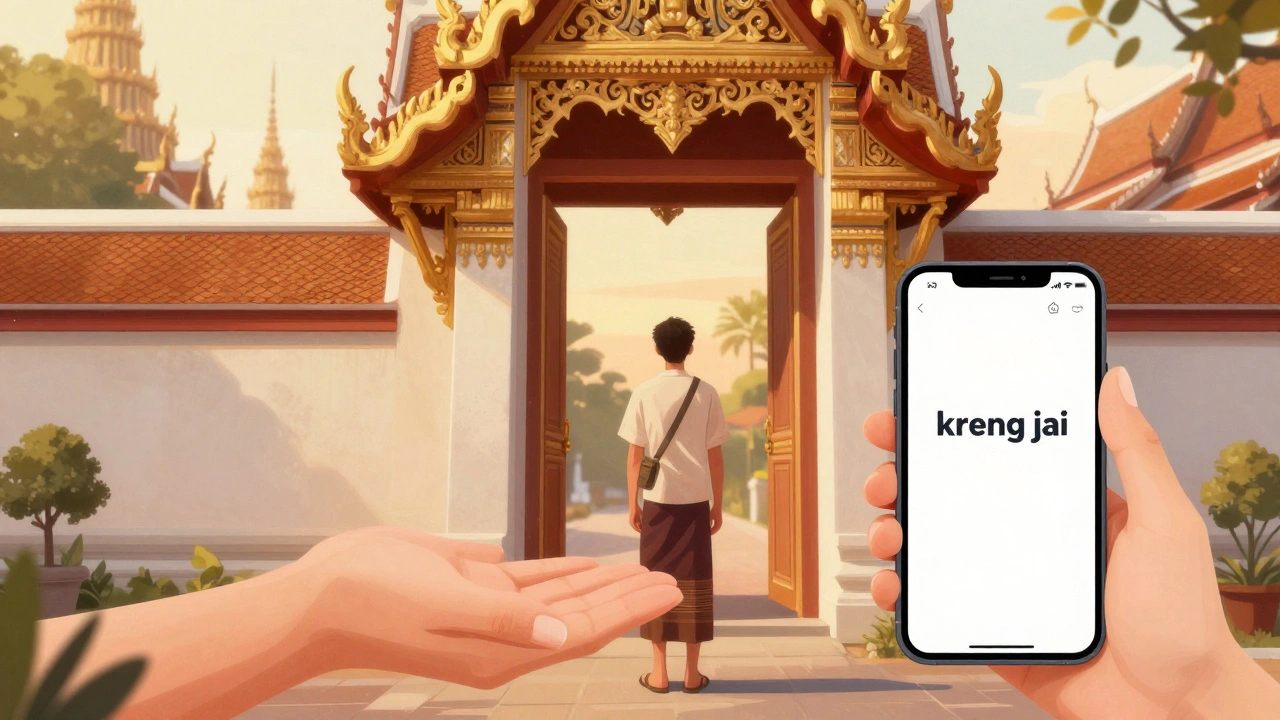
Thailand is known as the "Land of Smiles," but this hospitality comes with cultural expectations. Showing respect goes a long way in ensuring positive interactions. The Thai concept of "kreng jai" involves being considerate and avoiding conflict. Yelling, arguing, or displaying anger in public is seen as shameful and can escalate situations quickly.
Dress modestly when visiting temples or traditional areas, even if you are heading out to party later. Remove your shoes before entering homes or certain shops. When interacting with locals, use a polite tone and avoid touching anyone’s head, as it is considered sacred. Pointing with your feet is also rude. These small gestures show that you value their culture and are not just treating Thailand as a playground.
Respect extends to how you interact with service staff and nightlife workers. Do not touch anyone without consent. Do not take photos without permission. Treat everyone with dignity, regardless of their job. This mindset not only protects you from legal trouble but also enriches your travel experience by fostering genuine connections.
Safety Tips for Solo Travelers
If you are traveling alone, extra precautions are necessary. Share your itinerary with someone you trust. Keep a copy of your passport separate from the original. Use reputable accommodation in well-lit areas. At night, stick to main roads and avoid walking alone in deserted alleys.
Alcohol consumption should be moderate. Getting too drunk makes you vulnerable to theft, assault, or bad decisions. Know your limits and have a plan for getting back to your hotel. Emergency numbers in Thailand include 191 for police and 1669 for medical emergencies. Having these saved in your phone can be a lifesaver.
Additionally, be aware of your surroundings. If a situation feels off, trust your gut. Leave the area and seek help from hotel staff or security. Most locals are helpful and willing to assist tourists in distress. Building rapport with your hotel concierge can provide valuable local advice and support.
Ethical Considerations in Nightlife
Engaging with the nightlife industry raises ethical questions. Human trafficking remains a serious issue in Southeast Asia. Many individuals in the sex trade are victims of coercion, debt bondage, or violence. Supporting businesses that exploit workers contributes to this cycle. Look for establishments that treat their staff fairly and comply with labor laws.
Consider the impact of your spending. Does your money empower the worker, or does it line the pockets of exploitative managers? Opting for legitimate entertainment options-such as concerts, theater performances, or cultural shows-supports artists and preserves local heritage. These experiences often provide deeper insights into Thai culture than any nightclub ever could.
If you choose to engage with nightlife workers, do so responsibly. Consent is paramount. Respect boundaries and understand that professional interactions do not imply personal availability. Misunderstandings can lead to conflict or legal issues. Clarity and mutual respect are essential.
Alternatives to Traditional Nightlife
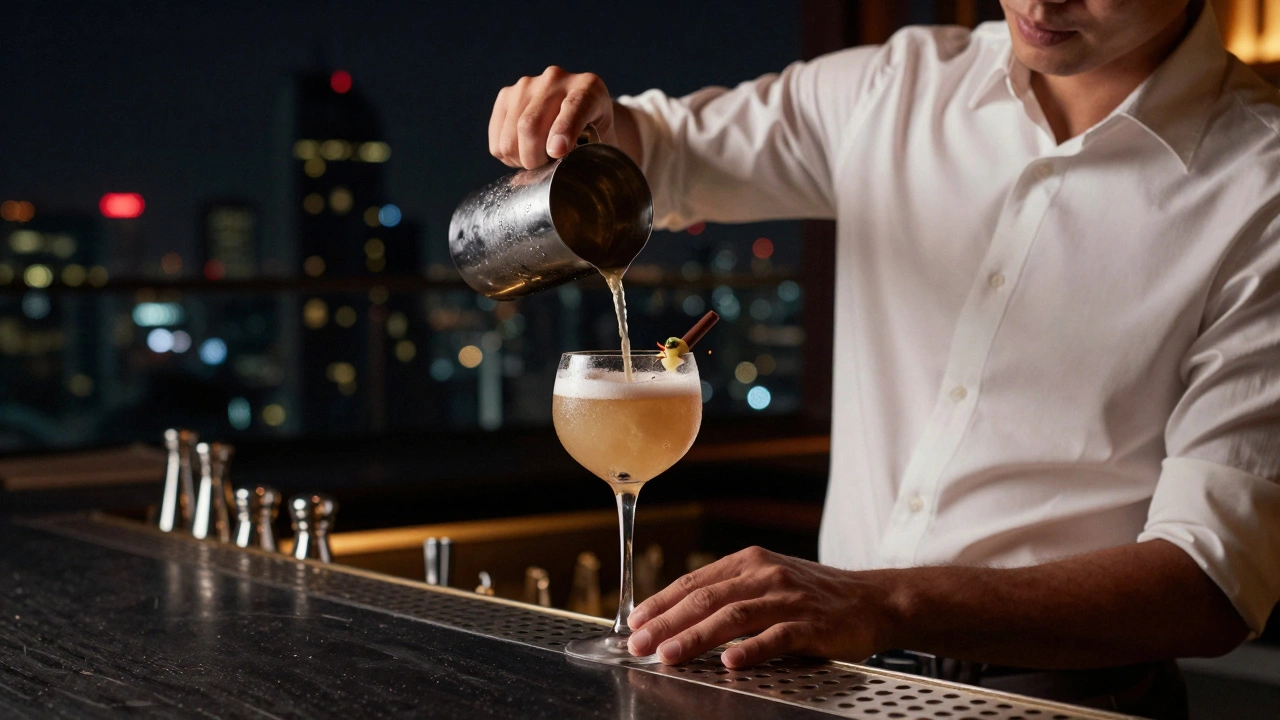
Bangkok offers much more than bars and clubs. Explore the vibrant street art scene in Bang Rak. Attend a Muay Thai boxing match at Rajadamnern Stadium for an authentic sporting experience. Join a cooking class to learn the secrets of Pad Thai and Green Curry. Visit a rooftop bar like Vertigo or Sky Bar for stunning views of the skyline without the chaos of lower-level venues.
Cultural festivals, such as Songkran (Thai New Year) or Loy Krathong, provide incredible opportunities to connect with locals in a festive and respectful manner. These events celebrate community and tradition, offering a glimpse into the heart of Thai society. Participating in these activities creates memories that last a lifetime, far beyond the fleeting highs of a night out.
Is it safe to walk around Bangkok at night?
Generally, yes, especially in popular tourist areas like Sukhumvit and Silom. However, standard precautions apply. Avoid poorly lit streets, keep valuables hidden, and stay aware of your surroundings. Stick to main roads and use trusted transportation methods.
What should I do if I encounter a scammer?
Stay calm and do not engage in arguments. If you are being overcharged, politely refuse and leave. Report serious incidents to the tourist police (1155). Document details such as license plate numbers or descriptions of individuals involved.
Are go-go bars legal in Thailand?
The legality is complex. While prostitution itself is illegal, enforcement varies. Go-go bars operate in a gray area, often focusing on dancing and entertainment. Visitors should be cautious of scams and understand that participating in illegal activities can result in fines or deportation.
How can I show respect to Thai culture while partying?
Dress appropriately, avoid public displays of anger, and treat all individuals with kindness. Refrain from taking unauthorized photos. Learn basic Thai phrases like "Sawasdee" (hello) and "Khop Khun Ka" (thank you) to show appreciation for local customs.
What are some non-nightlife activities in Bangkok?
Visit historical temples like Wat Arun, explore floating markets, enjoy street food tours, attend Muay Thai matches, or take a boat tour along the Chao Phraya River. These activities offer rich cultural experiences away from the nightlife crowds.
Write a comment