The Reality Behind the 'Soapy' Label
When you hear the term Thai soapy massage, it often conjures up images of exotic spas and relaxing bubble baths. But if you are traveling in Southeast Asia, especially in cities like Bangkok, that specific phrase usually signals something else entirely. In the local tourism industry, "soapy" is a widely understood code word for sexual services. It is not a standard therapeutic technique found in legitimate wellness centers.
This distinction matters because your safety and legal standing depend on it. Many travelers, unaware of this slang, accidentally walk into establishments that operate outside the law. The result can range from being overcharged to facing serious legal trouble or health risks. Understanding what this term actually means is the first step in protecting yourself while enjoying the genuine benefits of traditional Thai culture.
Traditional Thai Massage vs. Illegal Services
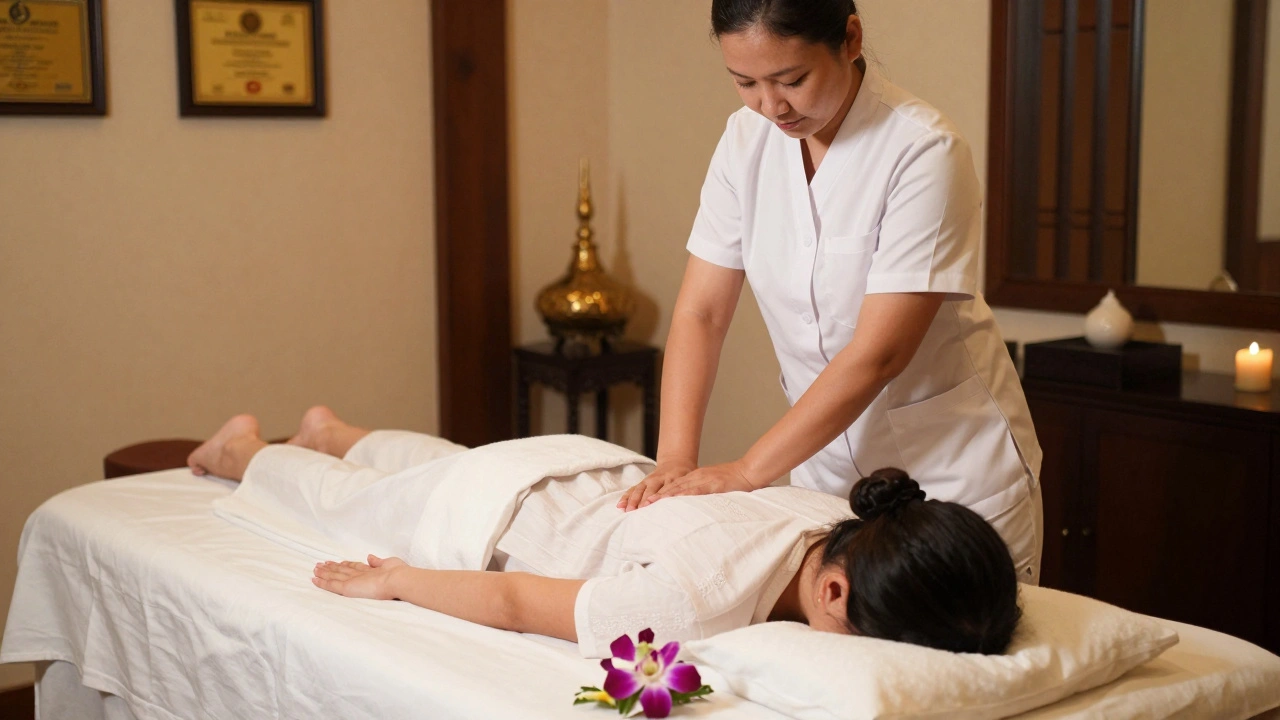
To understand why the confusion exists, we need to look at what real Thai massage is. Nuad Boran, or ancient Thai massage, is a medical practice recognized by the World Health Organization. It involves rhythmic compressions along energy lines, similar to acupressure, and passive yoga postures. A licensed therapist will never use oil in a traditional session; they work through clothing, focusing on stretching and joint mobility.
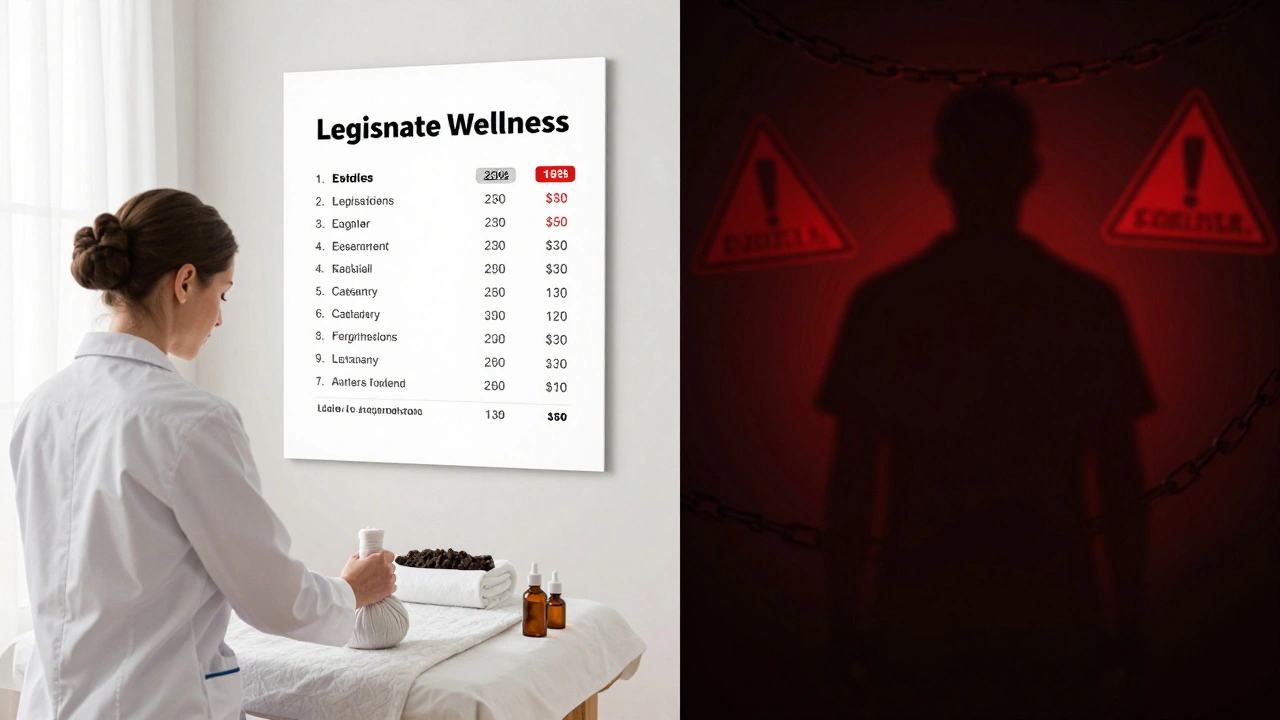
In contrast, illegal "soapy" operations often mimic the appearance of a spa but lack any medical training. They may offer "oil massages" as a cover, but the intent is transactional and sexual. Legitimate spas display their licenses prominently, have clear price lists, and maintain professional boundaries. If a place advertises "soapy" explicitly, it is almost certainly an escort service disguised as a wellness center. This is where many tourists make critical errors in judgment.
Legal Consequences and Health Risks
Thailand has strict laws regarding prostitution and related activities. While enforcement can vary, participating in illegal sexual services is a crime. Tourists who engage in these activities risk arrest, heavy fines, deportation, and a permanent ban from re-entering the country. Beyond the legal issues, there are significant health concerns. Unregulated establishments do not follow hygiene standards, increasing the risk of sexually transmitted infections and other health complications.
The financial risk is also substantial. Scams are common in this sector. You might agree on a price, only to be charged ten times that amount when you try to leave. Staff may become aggressive, threatening you with fake police officers or demanding additional payments for "services" you didn't request. These situations escalate quickly and can ruin an otherwise perfect vacation. Staying away from places advertising "soapy" services is the best way to avoid these pitfalls.
How to Identify a Legitimate Spa
Finding a safe and authentic massage experience is easy if you know what to look for. Start by checking for official licensing. Reputable spas display their business license and therapist certifications near the entrance. Look for clean, well-lit facilities with separate treatment rooms. Professional staff will wear uniforms and introduce themselves clearly.
Avoid places with dim lighting, vague menus, or staff who approach you aggressively on the street. Legitimate businesses do not need to solicit customers outside. Online reviews are another valuable tool. Read recent feedback from other travelers, paying attention to comments about professionalism and hygiene. If reviews mention "extras" or hint at sexual services, steer clear. Stick to established chains or highly-rated independent spas in tourist-friendly areas.
The Dangers of Online Escort Ads
The internet has made it easier to find information, but it has also flooded search results with misleading ads. When searching for massage services, you might encounter websites promoting Bangkok escort services disguised as massage parlors. These sites often use SEO tactics to appear at the top of search results, confusing travelers looking for legitimate relaxation. Clicking on these links can lead to phishing scams, malware, or exposure to explicit content that violates workplace policies if accessed on shared devices.
Be cautious of any website that uses ambiguous language or offers packages that seem too good to be true. Legitimate spas focus on their techniques, therapists, and customer care. They do not promote adult services. If a site mixes massage terminology with suggestive imagery or unclear pricing, it is likely a front for illegal activities. Protect your digital security by avoiding such sites and sticking to reputable booking platforms.
Safer Alternatives for Relaxation
If you want to unwind after a long day of sightseeing, there are plenty of safe and enjoyable options. Traditional Thai massage is excellent for relieving muscle tension and improving flexibility. Herbal compress massages, where hot bags filled with herbs are used to soothe sore muscles, are another popular choice. Foot reflexology is also widely available and highly effective for reducing fatigue.
For those seeking a more luxurious experience, consider booking a session at a five-star hotel spa. These venues maintain high standards of cleanliness and professionalism. Alternatively, visit cultural centers that offer workshops on Thai wellness practices. You’ll learn about the history and techniques behind the massage, gaining a deeper appreciation for the art form. These experiences provide genuine relaxation without any legal or health risks.
Navigating Street Solicitations
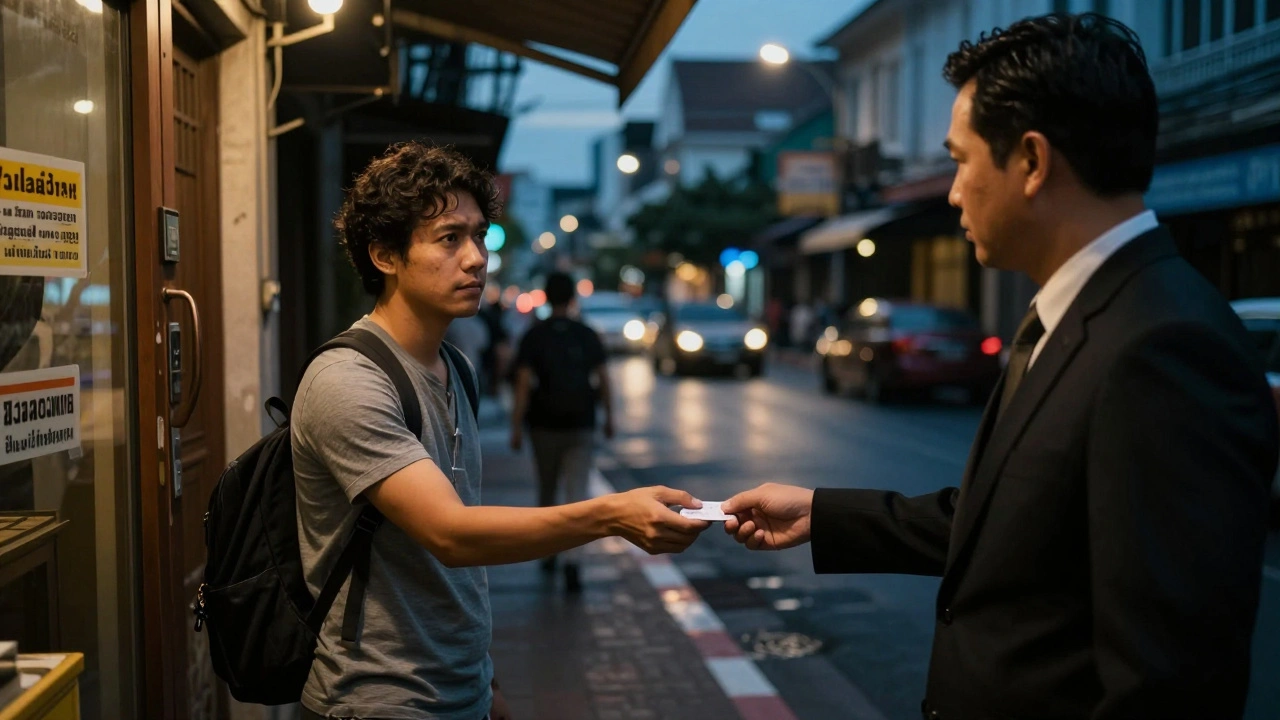
In busy tourist areas, you may encounter people handing out cards or verbally inviting you to nearby spas. These solicitors often work for unlicensed establishments. Politely decline and keep walking. Engaging with them can lead to unwanted pressure or being led into unsafe locations. Trust your instincts-if a situation feels uncomfortable or pushy, remove yourself from it immediately.
Stick to main streets and well-populated areas. Avoid shortcuts through alleys or poorly lit neighborhoods, especially at night. If you’re unsure about a place, ask your hotel concierge for recommendations. They are familiar with reputable businesses and can guide you to safe options. Remember, your comfort and safety should always come first.
Understanding Local Culture and Respect
Thailand is known for its hospitality and respect for tradition. Showing appreciation for local customs goes a long way in building positive interactions. Dress modestly when visiting temples and public spaces. Remove your shoes before entering homes or certain businesses. Be polite and patient, even if there are language barriers. A smile and a simple "sawasdee krub/ka" (hello) can break the ice and show respect.
Respecting these norms helps you blend in and enjoy a more authentic experience. It also reduces the likelihood of being targeted by scammers who prey on disrespectful or clueless tourists. By demonstrating cultural awareness, you position yourself as a responsible traveler who values the local community. This mindset opens doors to genuine connections and memorable experiences.
What to Do If You Encounter Trouble
If you find yourself in an uncomfortable or dangerous situation, stay calm. Do not resist physically, as this can escalate violence. Try to negotiate calmly and assertively. If possible, note down details about the location, staff, and any transactions. Once you are safe, report the incident to local authorities or your embassy. Most major hotels have security teams that can assist in resolving disputes.
Keep emergency numbers handy, including the local police hotline and your country’s embassy contact. Share your itinerary with friends or family back home. Having a support system ensures someone knows where you are and can help if needed. Prevention is key, but knowing how to respond can mitigate harm if things go wrong.
Choosing the Right Massage for Your Needs
Different types of massage serve different purposes. If you have chronic pain or injuries, seek out a clinic with licensed physiotherapists. They can assess your condition and recommend appropriate treatments. For general relaxation, a gentle oil massage or aromatherapy session might be ideal. Each option has unique benefits, so choose based on your personal goals.
Communicate openly with your therapist about your preferences and any sensitivities. A good practitioner will adjust their technique to suit your needs. Don’t hesitate to ask questions about the process. Knowledge empowers you to make informed decisions and get the most out of your session. Whether you’re recovering from a hike or just want to de-stress, there’s a safe and effective option for you.
The Importance of Hygiene Standards
Hygiene is non-negotiable in any wellness setting. Legitimate spas use fresh linens for each client and sanitize equipment thoroughly. Therapists wash their hands before and after sessions. If you notice dirty towels, stained sheets, or a general lack of cleanliness, leave immediately. Poor hygiene indicates neglect and increases the risk of infections.
Ask about their cleaning protocols if you’re unsure. Reputable establishments will gladly explain their procedures. They take pride in maintaining a safe environment for their guests. Your health is worth prioritizing over convenience or cost. Never compromise on basic sanitation standards, no matter how attractive the price may seem.
Final Thoughts on Safe Travel
Exploring Thailand is a rewarding experience, but it requires vigilance. By understanding the difference between legitimate massage therapy and illegal services, you protect yourself from unnecessary risks. Focus on reputable businesses, respect local laws, and prioritize your well-being. With the right knowledge, you can enjoy the rich cultural offerings of Thailand safely and confidently.
Is Thai soapy massage legal?
No, "soapy massage" is a slang term for illegal sexual services. Prostitution is prohibited in Thailand, and participating in such activities can lead to arrest, fines, and deportation.
How can I identify a legitimate Thai massage spa?
Look for visible licenses, clear price lists, professional staff uniforms, and clean facilities. Avoid places with dim lighting, aggressive solicitation, or vague menus. Check online reviews from trusted sources.
What are the risks of visiting unlicensed massage parlors?
Risks include legal trouble, health hazards like STDs, financial scams, and potential physical danger. Unlicensed establishments often operate illegally and lack proper hygiene or safety measures.
Can I get a traditional Thai massage with oil?
Traditional Thai massage (Nuad Boran) is performed through clothing without oil. However, many legitimate spas offer "Thai-style oil massages" which combine stretching with aromatic oils. Ensure the establishment is licensed and professional.
What should I do if I’m pressured into paying extra?
Stay calm and refuse to pay unreasonable amounts. Note details about the location and staff. Leave the premises safely and report the incident to local police or your embassy. Do not resist physically if threatened.
Are there any reliable apps for booking massages in Thailand?
Yes, several reputable apps and websites allow you to book verified spas. Look for platforms with user reviews, transparent pricing, and clear descriptions of services. Avoid sites that promote ambiguous or adult-oriented content.
Is it safe to accept massage cards from strangers on the street?
Generally, no. Street solicitors often represent unlicensed or illegal establishments. Politely decline and continue on your way. Stick to pre-researched or recommended spas to ensure safety and quality.
What is the typical cost of a legitimate Thai massage?
Prices vary by location and type, but a standard one-hour session in a reputable spa typically costs between 500 to 1,500 THB. Luxury hotel spas may charge more. Be wary of prices that seem unusually low, as they may indicate hidden fees or scams.
Can I bring a partner to a massage appointment?
Most legitimate spas require clients to be alone during treatment for privacy and professionalism. Couples massages are available at some venues but involve separate rooms and therapists. Always check the spa’s policy beforehand.
How do I handle language barriers when booking?
Use translation apps or ask your hotel staff for assistance. Many reputable spas have English-speaking staff. Clear communication about services and prices helps prevent misunderstandings and ensures a smooth experience.
Write a comment