Imagine the feeling of warm water cascading over your skin, followed by a slick, slippery glide that makes every nerve ending sing. That is the magic of a soapy massage. It is not just about cleaning; it is about turning a mundane shower routine into an intimate, sensory experience. Whether you are looking to unwind after a long week or spice things up with a partner, this technique offers a unique blend of relaxation and arousal.
The concept seems simple-soap plus hands equals massage-but getting it right requires understanding texture, temperature, and pressure. Unlike traditional oil massages where the lubricant stays put, soap is dynamic. It creates bubbles, changes viscosity as it mixes with water, and can be rinsed away instantly. This fluidity adds an element of surprise and playfulness that static oils cannot match. You are not just applying pressure; you are creating a temporary, slippery world on the surface of the skin.
Why Soap Works Better Than Oil for Some
We often default to coconut or almond oil for massage because they are reliable. They stay thick and do not run everywhere. But soap has distinct advantages that oil simply cannot offer. First, there is the tactile sensation. Soap creates a thin film that allows for faster, gliding strokes without the heavy drag of oil. This speed can be incredibly stimulating, especially when combined with rhythmic movements.
Second, consider the cleanup. After an oil massage, you are left sticky and greasy, requiring a full shower to remove the residue. With soap, the massage itself is part of the cleansing process. When you are done, you rinse off, leaving your skin fresh and clean. This makes it perfect for pre-bedtime routines where you want to feel relaxed but not weighed down by product buildup. The psychological relief of being "clean" while also being "touched" is a powerful combination for stress reduction.
However, not all soaps are created equal. Bar soaps can dry out the skin if used too aggressively, and harsh chemical detergents in cheap body washes can cause irritation during prolonged contact. The key is choosing the right medium. Look for creamy body washes, gentle liquid soaps, or natural castile soaps that prioritize hydration. These products maintain their slipperiness longer and leave the skin feeling soft rather than tight.
Setting the Scene: Temperature and Atmosphere
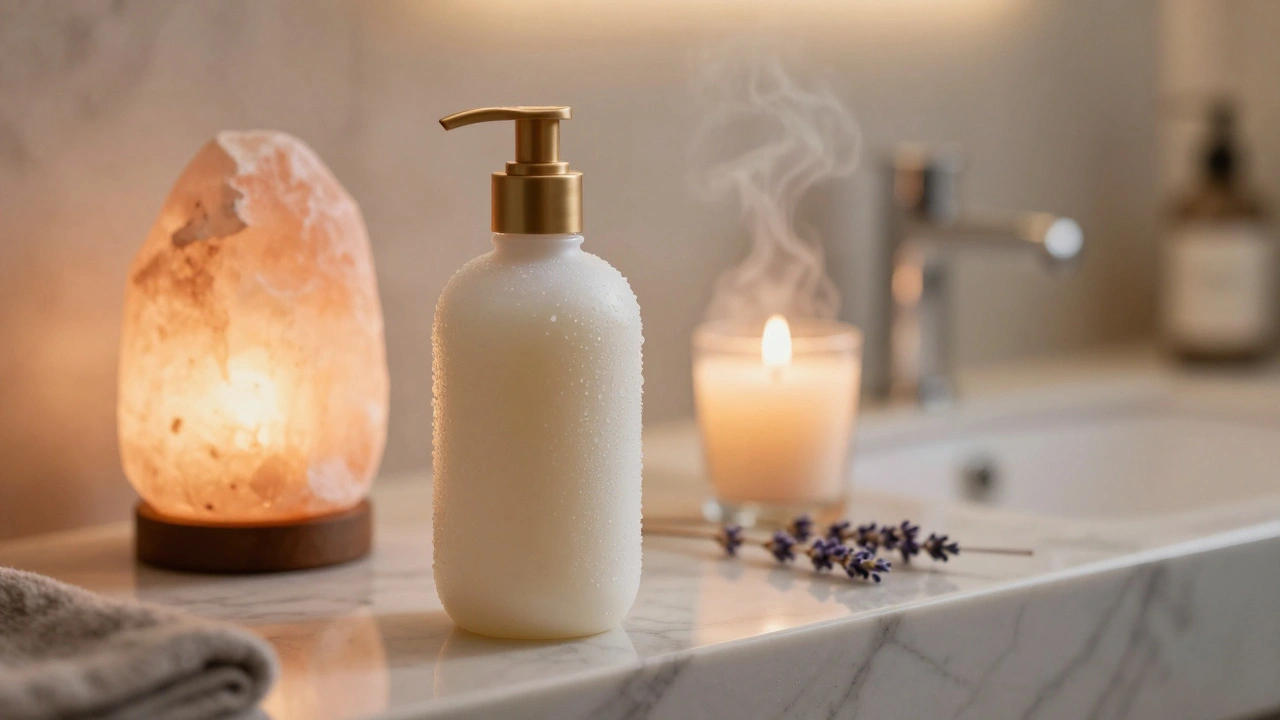
A soapy massage is highly dependent on environment. If the room is cold, the water will cool quickly, breaking the spell of relaxation. Aim for a bathroom that is steamy and warm. Close the door, turn on the exhaust fan beforehand to clear stale air, and then shut it off to let humidity build. Light scented candles or use an essential oil diffuser with calming notes like lavender or eucalyptus. The scent should complement the soap, not overpower it.
Water temperature is critical. Too hot, and you risk burning sensitive skin or causing dizziness. Too cold, and muscles will tense up instead of relaxing. Aim for a temperature that feels comfortably warm on your inner wrist. Before starting, wet the entire body thoroughly. Dry skin does not lather well, and trying to massage over dry patches creates friction rather than glide. Ensure every inch is saturated before introducing any soap.
Lighting plays a huge role here. Harsh overhead lights kill the mood instantly. Use dimmers, salt lamps, or even just the glow from a nearby hallway. The visual softness helps your brain switch from "task mode" to "pleasure mode." You might also consider playing low-frequency ambient music or nature sounds. The goal is to engage all five senses, making the physical touch just one part of a holistic experience.
Techniques for Solo Relaxation
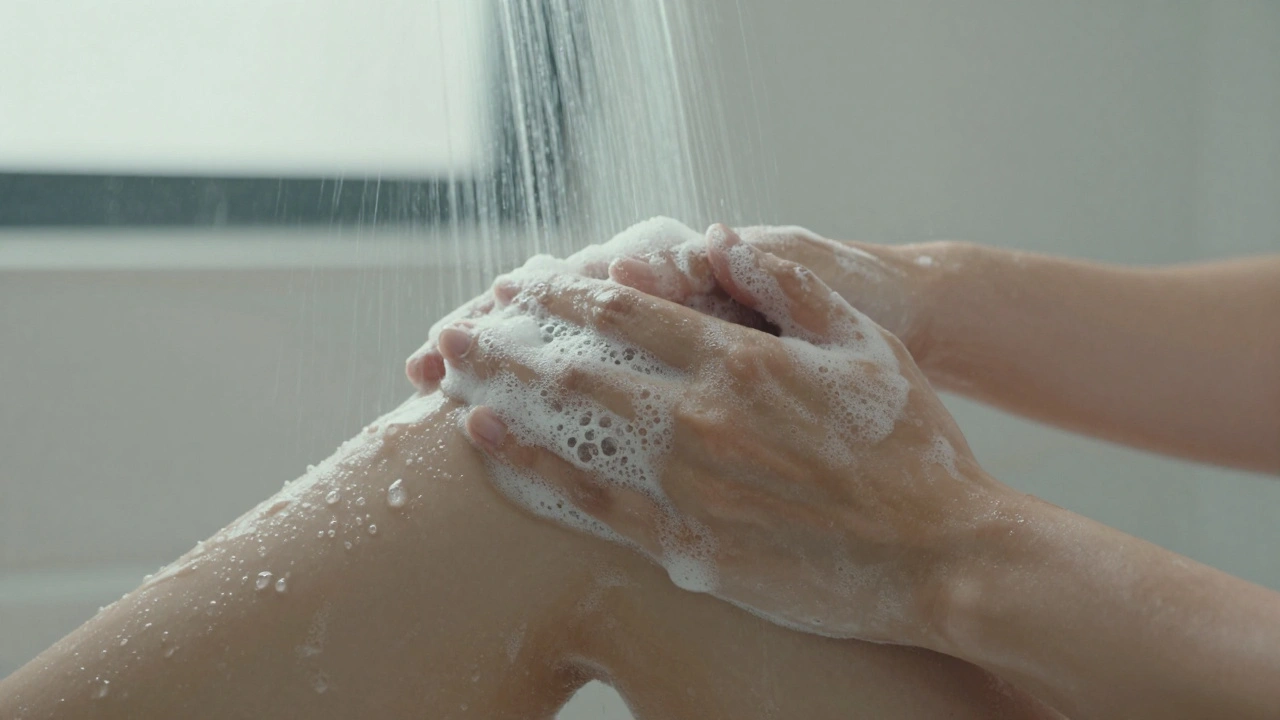
If you are doing this alone, the focus shifts entirely to self-care and mindfulness. Start at the feet. Pour a generous amount of creamy soap into your palm and rub your hands together to create a rich lather. Begin massaging the arches of your feet using circular motions. Apply firm pressure with your thumbs to release tension stored from standing or walking all day.
Move up to the calves. Use long, sweeping strokes from the ankles toward the knees. This direction follows the flow of blood back to the heart, aiding circulation. As you work, notice how the soap reduces friction, allowing your hands to move smoothly over the muscle tissue. Spend extra time on areas that feel tight or knotted. The warmth of the water combined with the mechanical action of your hands helps break up adhesions in the fascia.
For the back, reach behind you or use a long-handled brush if necessary. Focus on the upper trapezius muscles near the neck, which are common sites for stress accumulation. Use small, tight circles with your fingertips. Let the suds accumulate; watching the foam form can be surprisingly meditative. Rinse periodically to prevent the soap from drying out, keeping the skin supple and responsive.
Do not rush through the torso. Glide your hands over the abdomen in slow, clockwise motions. This can aid digestion and promote a sense of internal calm. Finally, address the shoulders and arms. Roll the shoulders forward and backward while massaging the deltoids. Finish by running your hands down the sides of your body to the hips, grounding yourself before stepping out of the shower.
Partner Play: Building Intimacy Through Touch
When involving a partner, communication becomes paramount. A soapy massage is inherently intimate, often bordering on erotic depending on your boundaries and desires. Establish what is off-limits and what is encouraged before you begin. Consent and comfort are the foundation of any shared physical experience. Discuss preferences regarding pressure, speed, and specific areas of focus.
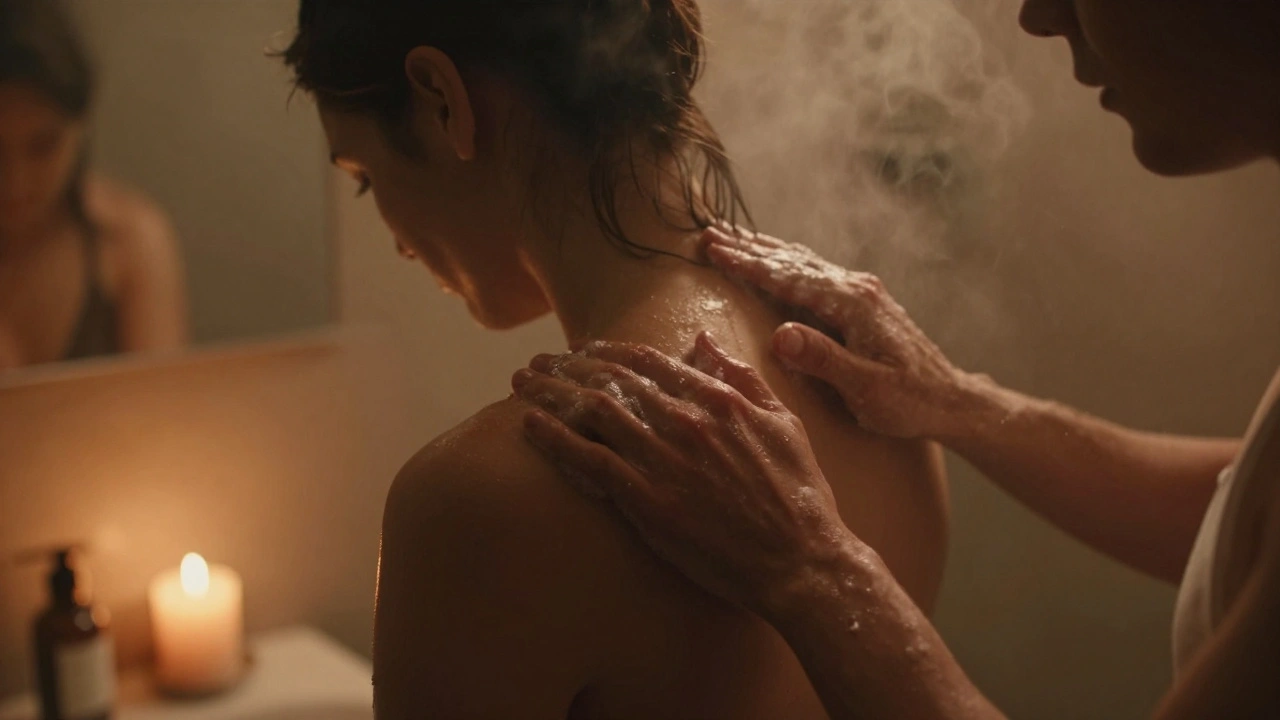
Start with non-sexual zones to build trust and relaxation. Begin with the head and neck. Gently massage the scalp with sudsy fingers, working out knots at the base of the skull. Move down to the shoulders, using broad, encompassing strokes. Allow your partner to guide you if they need more or less pressure. The slippery nature of soap means you must be mindful of slipping off the surface, so keep your grip secure but gentle.
As the session progresses, you can explore more sensitive areas if both parties are comfortable. The erogenous zones extend far beyond the genitals; the inner thighs, lower back, and ears are highly responsive to light, teasing touches. Use the tip of your fingers to trace patterns along the spine or the curve of the hip. The unpredictability of the sliding hands can heighten anticipation and arousal.
Remember that this is not a race to orgasm. It is about connection. Take turns giving and receiving. Notice how your partner reacts to different textures and pressures. Does a firm stroke feel better, or do they prefer a feather-light caress? Adapt in real-time. The shared vulnerability of being naked and vulnerable in a steamy bathroom fosters a deep emotional bond that goes beyond physical pleasure.
While many people seek professional services for similar experiences, such as those advertised under terms like Bangkok escort, the intimacy of a home setting offers a level of privacy and personalization that commercial venues cannot match. You control the pace, the music, and the atmosphere entirely.
Safety and Skin Care Considerations
Despite its fun reputation, a soapy massage carries some risks if not done correctly. The primary concern is slipping. Bathrooms are already slippery environments; adding soap increases this hazard significantly. Ensure your shower floor has non-slip mats or grips. Stand steadily and avoid sudden, jerky movements that could throw off your balance. If you feel unstable, pause and regain your footing before continuing.
Skin sensitivity is another factor. Prolonged exposure to soap can strip natural oils, leading to dryness or irritation. Limit the duration of continuous contact to 10-15 minutes per area. Rinse frequently to remove excess detergent. If you have eczema, psoriasis, or open wounds, consult a dermatologist before attempting this, as soap may exacerbate these conditions. Always patch-test new soaps on a small area of skin first.
Eye safety is crucial. Suds can easily splash into eyes, causing stinging and temporary blindness. Keep your eyes closed during vigorous rubbing, or wear protective goggles if you are particularly sensitive. Avoid directing spray nozzles directly at the face. If soap gets in your eyes, rinse immediately with plenty of clean water.
Hydration matters too. Hot showers dehydrate the body. Drink a glass of water before and after your session to replenish fluids. Post-massage, apply a moisturizer to lock in hydration while the pores are still slightly open. This maximizes the absorption of beneficial ingredients and keeps your skin glowing.
Choosing the Right Products
The market is flooded with body washes and soaps, but only a few are suitable for massage. Avoid products with high alcohol content, strong fragrances, or exfoliating beads. These ingredients can irritate the skin when rubbed vigorously. Instead, look for keywords like "hydrating," "creamy," "gentle," and "pH-balanced."
- Creamy Body Wash: Ideal for long-lasting slip. Brands like Dove or CeraVe offer formulations that cleanse without stripping moisture.
- Castile Soap: A natural option made from plant oils. Dilute it with water to achieve the desired consistency. It is biodegradable and eco-friendly.
- Silk or Aloe-Based Soaps: These contain proteins or soothing agents that enhance glide and reduce friction. They are excellent for sensitive skin types.
- Avoid Bar Soaps: Unless they are specifically designed for sensitive skin, bars can be abrasive and difficult to lather evenly over large areas.
You might also experiment with adding a tablespoon of vegetable glycerin to your chosen soap. Glycerin is a humectant that draws moisture into the skin, enhancing the slippery feel and providing extra hydration. Mix it in just before use for best results.
Common Mistakes to Avoid
Newcomers to soapy massage often make a few predictable errors. One is using too much soap initially. This creates a mess that is hard to manage and can clog drains. Start with a small amount and add more as needed. Another mistake is neglecting to rinse between sections. Old, dried-out soap loses its lubricating properties and can become gritty. Keep a steady stream of water running or use a handheld sprayer to keep things fresh.
Pressure management is tricky. Because soap reduces friction, it is easy to press too hard without realizing it. Start light and increase pressure gradually based on feedback. Also, do not ignore the mental aspect. If you are distracted by thoughts of work or chores, the physical sensations will not register fully. Practice mindfulness by focusing solely on the feeling of water, soap, and skin.
Finally, do not assume everyone enjoys the same style. What feels heavenly to one person might feel ticklish or uncomfortable to another. Pay attention to body language. Tensing up indicates discomfort; sighing or leaning into the touch signals pleasure. Adjust accordingly.
Is a soapy massage safe for sensitive skin?
It can be, but you must choose the right products. Avoid harsh detergents and opt for fragrance-free, hypoallergenic body washes. Test a small area first and rinse frequently to prevent irritation. If you have conditions like eczema, consult a doctor first.
How long should a soapy massage last?
Aim for 15-20 minutes total. Longer sessions can lead to waterlogged skin (pruning) and excessive dryness from the soap. Shorter, focused sessions are more effective for relaxation and easier to manage safely.
Can I use regular shampoo for a body massage?
Not recommended. Shampoos are formulated for scalp hair and can be too drying for body skin. They may also sting if they get into cuts or sensitive areas. Stick to body-specific cleansers for optimal comfort and hydration.
What is the best position for a partner soapy massage?
The seated position on a bench or stool is safest and most ergonomic. It allows the giver to stand comfortably and reach all areas without straining their back. Lying down in the shower is risky due to slipping hazards.
Does soapy massage help with muscle pain?
Yes, moderately. The combination of heat, water pressure, and manual manipulation can relieve minor muscle tension and improve circulation. However, it is not a substitute for deep tissue therapy for serious injuries or chronic pain.
Are there alternatives to soap for shower massage?
Yes, you can use silicone-based lubricants that are waterproof, though they are harder to rinse. Alternatively, specialized shower gels designed for hydrotherapy offer enhanced slip and therapeutic additives like menthol or camphor.
How do I prevent slipping in the shower during massage?
Install non-slip mats or adhesive strips on the shower floor. Wear rubber-soled shoes if you are standing outside the shower stall. Move slowly and deliberately, avoiding sudden shifts in weight. Always check your footing before reaching for items.
Can children enjoy soapy massages?
Absolutely, as a form of bonding and hygiene. Keep it playful and brief. Use mild, tear-free baby soap. Focus on limbs and back, avoiding sensitive areas. It helps teach body awareness and relaxation techniques early on.
What should I do if soap gets in my eyes?
Rinse immediately with lukewarm water for several minutes. Do not rub your eyes, as this can worsen irritation. If pain persists or vision remains blurry, seek medical attention. Using a visor or keeping eyes tightly closed prevents this issue.
Is soapy massage considered erotic?
It can be, depending on intent and context. For many couples, it serves as foreplay or a way to enhance intimacy. However, it can also be purely therapeutic and relaxing. Communication with your partner defines the boundary between sensual and sexual.
Write a comment