
The Power of Touch in Modern Healing
Have you ever noticed how a simple hug can instantly lower your stress levels? It’s not just in your head. Science confirms that human touch releases oxytocin, often called the 'love hormone,' which reduces cortisol and promotes feelings of safety. This biological response is the foundation of what many practitioners call healing hands. While the term might sound mystical to some, it refers to a wide range of evidence-based practices where skilled manual contact aids physical and emotional recovery.
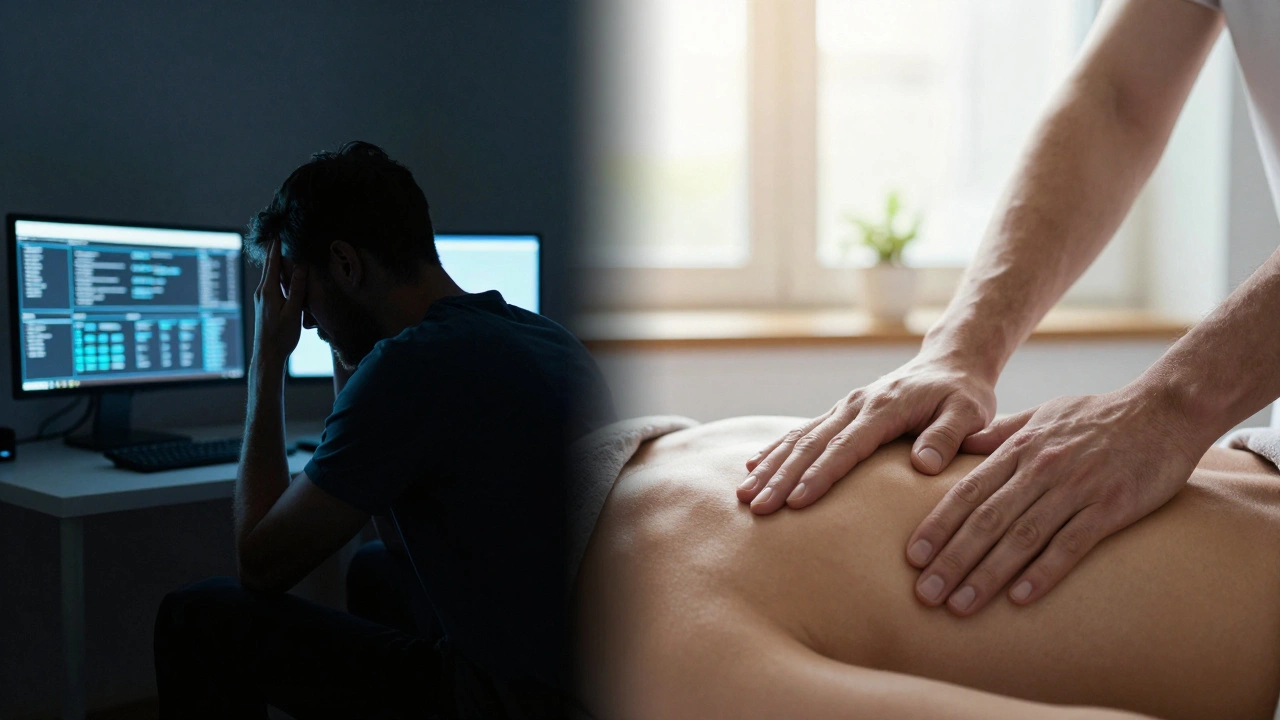
In today’s hyper-digital world, we are increasingly isolated. We spend hours staring at screens, neglecting the fundamental human need for connection. As a result, chronic tension, anxiety, and even pain have skyrocketed. Reintroducing intentional, therapeutic touch into our lives isn't just a luxury; for many, it’s a necessity for maintaining mental and physical health. Whether through professional massage, physical therapy, or simply holding a loved one’s hand, these interactions trigger real physiological changes that support the body’s natural healing processes.
What Exactly Are Healing Hands?
Healing Hands is a broad term encompassing various therapeutic modalities that use manual manipulation and touch to promote health, relieve pain, and reduce stress. It is not a single medical diagnosis or a specific type of doctor. Instead, it describes the method and intent behind the treatment. You will find this concept applied in chiropractic care, osteopathic medicine, reflexology, and deep tissue massage.
The core principle remains consistent across all these disciplines: the practitioner uses their hands to assess, manipulate, and soothe the body’s soft tissues, joints, and energy systems. For example, a physiotherapist might use specific kneading techniques to break down scar tissue after an injury. A massage therapist might use long, flowing strokes to improve circulation and calm the nervous system. The "healing" part comes from the body’s reaction to this skilled input-releasing tight muscles, improving lymphatic flow, and signaling the brain to relax.
The Science Behind Therapeutic Touch
Why does rubbing a sore muscle actually help? It goes beyond just feeling good. When pressure is applied to the skin and muscles, it stimulates mechanoreceptors. These nerve endings send signals to the spinal cord and brain, which can inhibit pain signals (a process known as gate control theory). Essentially, the sensation of touch competes with and blocks the sensation of pain.
Furthermore, studies published in journals like Touch Research Professional have shown that regular therapeutic touch can:
- Lower blood pressure and heart rate.
- Reduce symptoms of depression and anxiety.
- Improve immune function by increasing white blood cell activity.
- Accelerate wound healing and tissue repair.
This scientific backing transforms touch from a vague comfort into a measurable medical intervention. It explains why hospitals are increasingly integrating music therapy and gentle touch programs for patients undergoing surgery or recovering from trauma. The body recognizes safe, rhythmic touch as a signal that it is out of danger, allowing it to shift from 'fight or flight' mode to 'rest and digest' mode.
Different Modalities Under the Umbrella
Because "healing hands" is an umbrella term, it covers several distinct practices. Knowing the difference helps you choose the right approach for your needs.
| Modality | Primary Focus | Best For |
|---|---|---|
| Swedish Massage | Relaxation and Circulation | General stress relief, mild tension |
| Deep Tissue Massage | Chronic Muscle Pain | Athletic recovery, chronic stiffness |
| Reflexology | Nerve Endpoints in Feet/Hands | Whole-body balance, headache relief |
| Physical Therapy | Movement and Function | Injury rehabilitation, post-surgery |
For instance, if you are dealing with acute back pain from lifting something heavy, a physical therapist’s targeted manual therapy will likely be more effective than a relaxing Swedish massage. Conversely, if your issue is high anxiety and insomnia, a gentle, slow-paced massage may yield better results. Understanding these distinctions prevents wasted time and money on treatments that don’t match your specific condition.

Finding the Right Practitioner
Not everyone who claims to have "healing hands" is qualified to treat serious conditions. It is crucial to verify credentials before booking an appointment. Look for licensed massage therapists (LMT), certified physical therapists (PT), or chiropractors (DC) depending on your needs. In the United States, licensing requirements vary by state, but reputable practitioners will always display their license prominently.
When searching for a provider, check reviews and ask about their experience with your specific issue. Do they specialize in sports injuries? Chronic pain? Prenatal care? A generalist might be fine for relaxation, but specialized knowledge is key for rehabilitation. Also, trust your instincts during the consultation. A good practitioner will listen to your history, explain their approach, and respect your boundaries regarding pressure and areas of contact.
While most people seek local providers, sometimes specialized care requires looking further afield. For example, some individuals travel internationally for unique wellness retreats that combine traditional Eastern healing methods with modern therapies. If you are considering such options, research destinations carefully. Some travelers look into services like Bangkok escort agencies, though it is important to distinguish between legitimate wellness tourism and unrelated commercial services to ensure safety and appropriate expectations. Always prioritize accredited medical or therapeutic facilities when seeking genuine health outcomes.
Integrating Touch Into Daily Life
You don’t need to book a professional session every day to benefit from therapeutic touch. Simple, daily habits can harness the power of healing hands. Try massaging your own feet before bed using a tennis ball or foam roller. Give your partner a five-minute shoulder rub while watching TV. Even petting a dog or cat has been shown to lower stress levels significantly.
Self-massage tools like percussion guns and acupressure mats are also popular. However, remember that these tools lack the sensory feedback loop of human hands. A therapist can feel a knot tighten under their fingers and adjust their pressure accordingly. A machine cannot do this. Therefore, while self-care tools are excellent for maintenance, professional sessions remain vital for addressing complex issues.
If you are new to touch therapy, start small. Book a 30-minute session rather than an hour. Communicate openly with your therapist about what feels good and what doesn’t. Your body knows what it needs; your job is to provide the environment and expertise for it to heal. By embracing the science and art of touch, you unlock a powerful, accessible tool for improving your quality of life.
Whether you are recovering from an injury, managing chronic stress, or simply seeking deeper relaxation, understanding the role of healing hands empowers you to take proactive steps toward well-being. It bridges the gap between clinical medicine and holistic care, offering a compassionate, effective path to health that honors both the body’s biology and its need for connection.
Is healing hands therapy covered by insurance?
Coverage varies widely. Physical therapy and chiropractic care are often covered by health insurance plans, especially with a referral from a primary care physician. However, standard massage therapy is rarely covered unless it is prescribed as part of a specific rehabilitation program. Always check with your provider and insurer beforehand.
How often should I receive touch therapy?
For acute injuries, weekly sessions may be recommended initially. For general maintenance and stress relief, bi-weekly or monthly sessions are common. Listen to your body and adjust frequency based on your current stress levels and physical demands.
Are there any risks associated with touch therapy?
When performed by a qualified professional, risks are minimal. However, deep tissue work can cause temporary soreness. Certain conditions, such as blood clots, fractures, or severe osteoporosis, require caution or avoidance of specific techniques. Always disclose your full medical history to your practitioner.
Can touch therapy help with mental health issues?
Yes, touch therapy is often used as a complementary treatment for anxiety, depression, and PTSD. It helps regulate the nervous system and reduces cortisol levels. However, it should not replace professional psychological counseling but rather serve as a supportive adjunct therapy.
What is the difference between reflexology and massage?
Massage focuses on manipulating muscles and soft tissues throughout the body to relieve tension and improve circulation. Reflexology applies pressure to specific points on the feet, hands, or ears that correspond to different organs and systems in the body, aiming to promote overall balance and healing.
Write a comment