
Have you ever seen an ad for a massage that promises more than just relaxation? The term happy ending massage has become a shorthand in pop culture and online forums for a specific type of illicit service. It refers to a therapeutic or erotic massage that concludes with manual stimulation leading to orgasm. While the concept is widely discussed, it exists almost entirely outside the bounds of legal and professional healthcare standards. Understanding what this really means involves looking past the myths and examining the legal, health, and social realities behind these establishments.
Defining the Service and Its Origins
The phrase itself is somewhat euphemistic. In the context of the sex industry, a happy ending massage is not a recognized medical or therapeutic treatment. Instead, it is a form of prostitution disguised as wellness care. Historically, massage therapy has roots in ancient Chinese, Indian, and Egyptian traditions, focusing on healing, pain relief, and circulation. Modern licensed massage therapists (LMTs) adhere to strict codes of ethics that strictly prohibit any sexual contact.
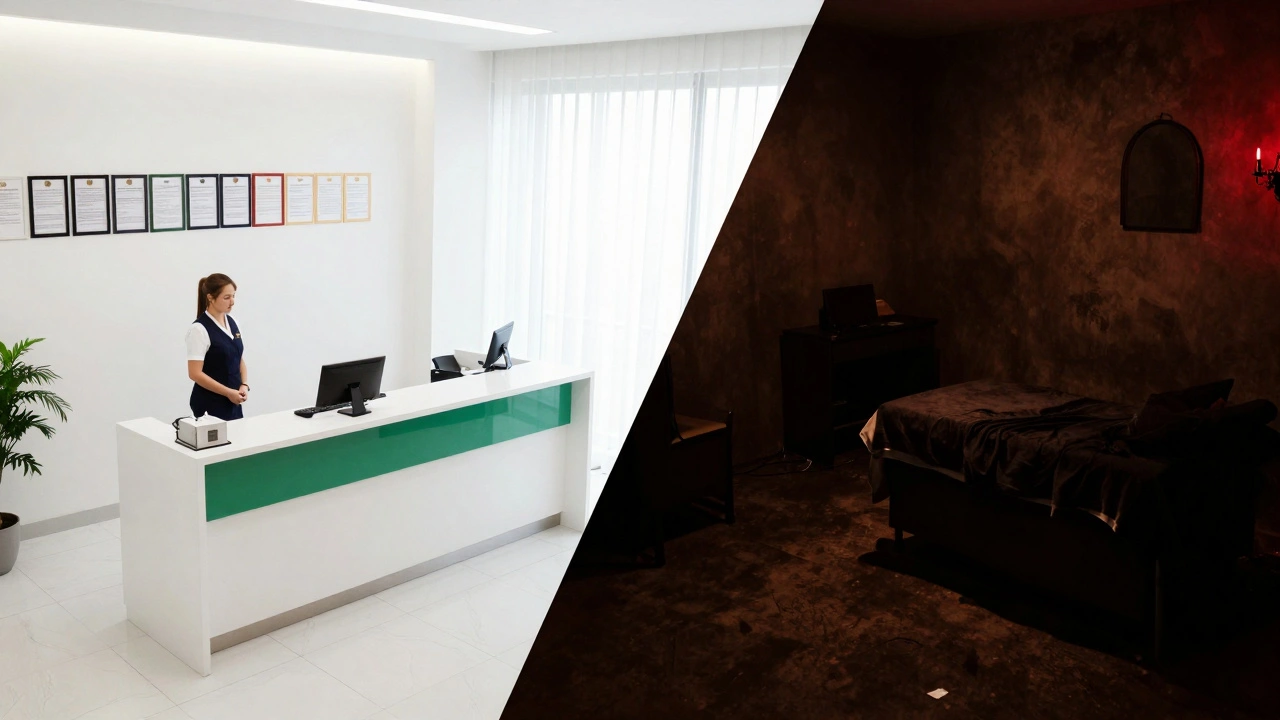
When people search for this service, they are often navigating a gray area between curiosity and risk. The distinction between a legitimate spa and an illicit parlor can be subtle but critical. Legitimate businesses focus on anatomy, physiology, and client well-being. Illicit operations prioritize sexual gratification, often operating under the radar of local law enforcement. This fundamental difference dictates everything from pricing to safety protocols.
The Legal Landscape
In most jurisdictions across the United States, Europe, and many parts of Asia, exchanging money for sexual acts is illegal. Therefore, offering a "happy ending" is a criminal offense. Establishments that provide these services often operate as fronts for larger organized crime networks involved in human trafficking and exploitation. Law enforcement agencies frequently raid such locations, resulting in arrests for both providers and clients.
The legal consequences can be severe. Clients may face charges of solicitation, which can result in fines, mandatory counseling, and even jail time depending on local laws. More importantly, these venues are hotspots for other crimes, including theft, assault, and drug use. The lack of regulation means there is no recourse if something goes wrong. Unlike a licensed clinic where malpractice insurance and consumer protection laws apply, patrons in these settings have zero legal standing.
Health and Safety Risks
Beyond the legal trouble, the health risks associated with unregulated sexual services are significant. Without proper screening, consent protocols, or hygiene standards, clients expose themselves to sexually transmitted infections (STIs). Diseases like chlamydia, gonorrhea, syphilis, and HIV can be transmitted through skin-to-skin contact or bodily fluids. Many illicit operators do not require regular testing for their workers, increasing the probability of transmission.
Furthermore, the environment itself can be hazardous. These locations often lack basic sanitation standards. Shared towels, unsterilized equipment, and poor ventilation contribute to the spread of bacterial and fungal infections. There is also the risk of physical violence. Workers in these environments are often vulnerable individuals coerced into the trade, and tensions can escalate quickly. Clients who feel entitled or aggressive may provoke violent reactions, while workers may resort to robbery or assault due to desperation or fear.
The Myth of Consent and Exploitation
A common misconception is that all parties involved are willing participants engaging in a consensual transaction. However, investigations by organizations like the National Center for Missing & Exploited Children and various anti-trafficking NGOs reveal a different reality. A significant portion of individuals working in illicit massage parlors are victims of human trafficking. They are often deceived with false job offers, had their documents confiscated, and are forced to work under threat of violence or debt bondage.
This exploitation extends beyond national borders. For instance, travelers visiting major hubs might encounter advertisements for services like a Bangkok escort or similar arrangements. While some aspects of the sex industry are regulated in certain countries, the underground sector remains fraught with danger. Victims are frequently moved between locations to avoid detection, making it difficult for authorities to intervene. Supporting these industries, even inadvertently, perpetuates a cycle of abuse and suffering.
Psychological Impact
The psychological effects of participating in illicit sexual transactions are often overlooked. For clients, there can be feelings of shame, guilt, or anxiety post-encounter, especially if they are married or in committed relationships. The secrecy required to engage in these activities can strain personal relationships and lead to behavioral addiction. Some individuals develop a compulsive need for novelty or risk, escalating their behavior over time.
For the workers, the trauma is profound. Survivors of trafficking often suffer from post-traumatic stress disorder (PTSD), depression, and anxiety. The constant fear of arrest or retaliation creates a state of hyper-vigilance. Even those who enter the trade voluntarily may experience emotional detachment or dissociation as a coping mechanism. The stigma associated with sex work further isolates them, preventing access to mental health support and rehabilitation services.
Alternatives for Intimacy and Wellness
If you are seeking relaxation, stress relief, or intimacy, there are safe and legal alternatives. Licensed massage therapists offer a variety of techniques tailored to individual needs. Swedish massage promotes general relaxation, while deep tissue therapy targets chronic muscle pain. Sensual massage, when conducted ethically and consensually between partners, can enhance intimacy without breaking the law.
For those interested in exploring touch and connection, tantric workshops or sensuality classes provide structured environments focused on mindfulness and mutual respect. These programs emphasize communication, boundaries, and emotional presence rather than purely physical release. Engaging in open dialogue with partners about desires and limits can deepen relationships and foster genuine closeness.
Additionally, many cities now host events and communities dedicated to body positivity and sexual wellness. These spaces encourage healthy attitudes toward sexuality without involving illegal activities. By choosing ethical options, you support professionals who value your safety and well-being.

Identifying Red Flags
Knowing how to spot an illicit operation can help you avoid unintended involvement. Legitimate spas are transparent about their services, pricing, and staff credentials. They display licenses prominently and maintain professional websites with clear policies. If a business seems hesitant to answer questions or uses vague language, proceed with caution.
- Vague Descriptions: Ads that use coded language like "special treatments" or "discreet services" often signal illegal activity.
- Cash Only Policies: Requiring cash payments helps evade tax records and financial trails.
- Private Locations: Operations run out of residential homes or secluded offices rather than commercial storefronts.
- Lack of Licensing: Verify that therapists hold current certifications from recognized boards.
- Pressure Tactics: Staff who push for upgrades or upsell aggressively may be trying to extract maximum profit before being shut down.
The Role of Technology
The internet has made it easier to find both legitimate and illicit services. Social media platforms and classified ads sites are frequently used to market illegal activities. Algorithms sometimes amplify sensational content, exposing users to harmful material unintentionally. Tech companies are increasingly implementing stricter guidelines to remove posts related to prostitution and trafficking.
However, new technologies like cryptocurrency and encrypted messaging apps complicate enforcement efforts. Criminals exploit these tools to coordinate operations anonymously. As a consumer, staying informed about digital safety practices is crucial. Avoid clicking on suspicious links or sharing personal information with unknown entities. Report any content that appears to promote exploitation to platform moderators.
Ethical Considerations
Choosing where to spend your money carries moral weight. Supporting illegal enterprises contributes to systemic issues like poverty, inequality, and gender-based violence. Conversely, patronizing licensed businesses fosters economic stability and respects labor rights. Ethical consumption involves considering the broader impact of our choices on society.
Many advocates argue for decriminalization and regulation of sex work to improve safety conditions for workers. While debates continue regarding policy approaches, one thing is clear: the current underground model fails everyone involved. Until comprehensive reforms are implemented, consumers must exercise discretion and prioritize legality and ethics.
Is getting a happy ending massage illegal?
Yes, in most places, receiving or providing a massage that ends in sexual gratification for payment is considered prostitution and is illegal. Penalties vary by location but can include fines and imprisonment.
How can I tell if a massage parlor is legitimate?
Look for visible licenses, clear pricing menus, professional websites, and therapists who explain techniques beforehand. Legitimate spas will never pressure you into extra services or ask for cash-only payments discreetly.
Are there health risks involved?
Absolutely. Unregulated environments increase the risk of STIs, bacterial infections, and physical harm. There is no guarantee of hygiene standards or consent protocols in illicit settings.
What should I do if I suspect human trafficking?
Contact local law enforcement or national hotlines immediately. Do not confront individuals directly, as this could endanger victims. Provide detailed information about the location and activities observed.
Can I get a sensual massage legally?
Sensual massage between consenting adults in private settings is generally legal. However, professional therapists cannot offer sexual services as part of their paid duties. Always ensure mutual consent and adherence to local laws.
Write a comment