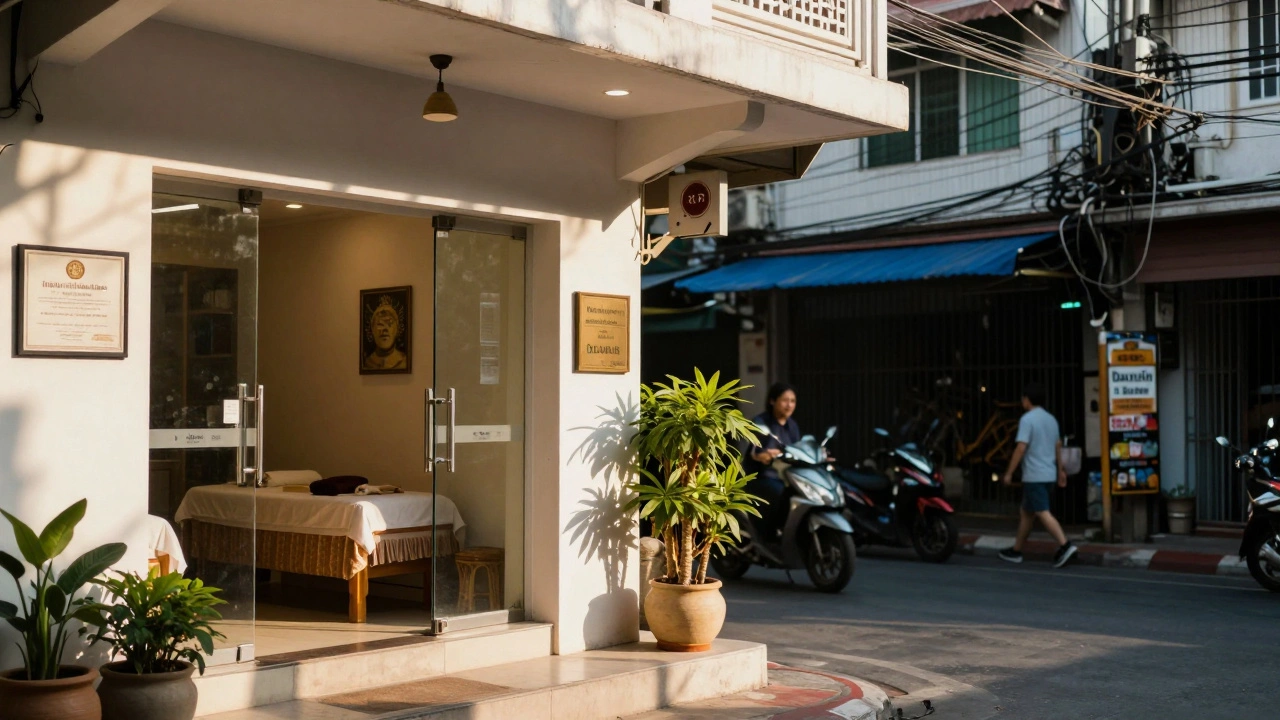
Thailand is world-renowned for its massage culture. From the bustling streets of Bangkok to the quiet beaches of Phuket, you will find spas on nearly every corner. Most offer legitimate therapeutic treatments like Nuad Thai, which is traditional Thai massage involving stretching and pressure point therapy. However, a shadow industry exists alongside these reputable establishments. This hidden sector promotes services often advertised as "body-to-body" or "happy ending" massages. Understanding what this actually entails, the legal implications, and the safety risks is crucial for any traveler planning a visit to Southeast Asia.
The term "body-to-body massage" has become a euphemism in certain parts of the tourist trade. While some high-end wellness centers may use the phrase to describe a couples' treatment where two therapists work on one client using their hands, feet, and back (fully clothed or in towels), the search intent behind most queries usually points toward illicit sexual services. In the context of street-side shops and unlicensed parlors, it almost always implies nudity and sexual contact. It is vital to distinguish between legitimate holistic therapies and illegal prostitution disguised as spa services.
Understanding the Legal Landscape
Prostitution is technically illegal in Thailand under the Prevention and Suppression of Prostitution Act of 1996. Despite this law, sex work remains widespread and largely tolerated in specific zones, creating a complex gray area. The government conducts periodic crackdowns, but enforcement is inconsistent. For tourists, engaging in or soliciting sexual services carries significant legal risks. Police raids are common in areas known for nightlife and unregulated massage parlors. If caught, foreigners can face heavy fines, deportation, and a permanent ban from re-entering the country. Some travelers mistakenly believe that paying for a service makes it legal; however, the act itself violates local statutes regardless of payment.
Legitimate spas operate with strict licensing requirements. They display their licenses prominently, employ certified therapists, and adhere to health and safety standards. These businesses focus on relaxation, pain relief, and stress reduction. They do not offer sexual services. Choosing a licensed establishment ensures you are supporting ethical tourism and protecting yourself from legal trouble. Always look for the official license displayed at the entrance. If it is missing or looks suspicious, walk away.
Safety Risks Beyond the Law
Beyond legal consequences, seeking out unregulated body-to-body services exposes travelers to serious health and personal safety risks. Unlicensed parlors often lack basic hygiene protocols. Therapists may not wear gloves or sanitize equipment properly, increasing the risk of transmitting skin infections, fungal diseases, or sexually transmitted infections (STIs). There have been documented cases of tourists contracting HIV, herpes, or hepatitis from such encounters. The anonymity of the transaction also leaves victims with little recourse if they are scammed, assaulted, or robbed.
Scams are another prevalent issue. Tourists are sometimes lured into expensive packages under false pretenses, only to be forced to pay exorbitant amounts after the fact. In some instances, individuals posing as escorts or masseuses have targeted solo travelers for theft or assault. The environment is unpredictable, and the lack of regulation means there is no consumer protection. Reputable travel advisories consistently warn against engaging with unlicensed service providers. Prioritizing your safety means avoiding situations where consent, hygiene, and legality are compromised.
Identifying Legitimate vs. Illegitimate Establishments
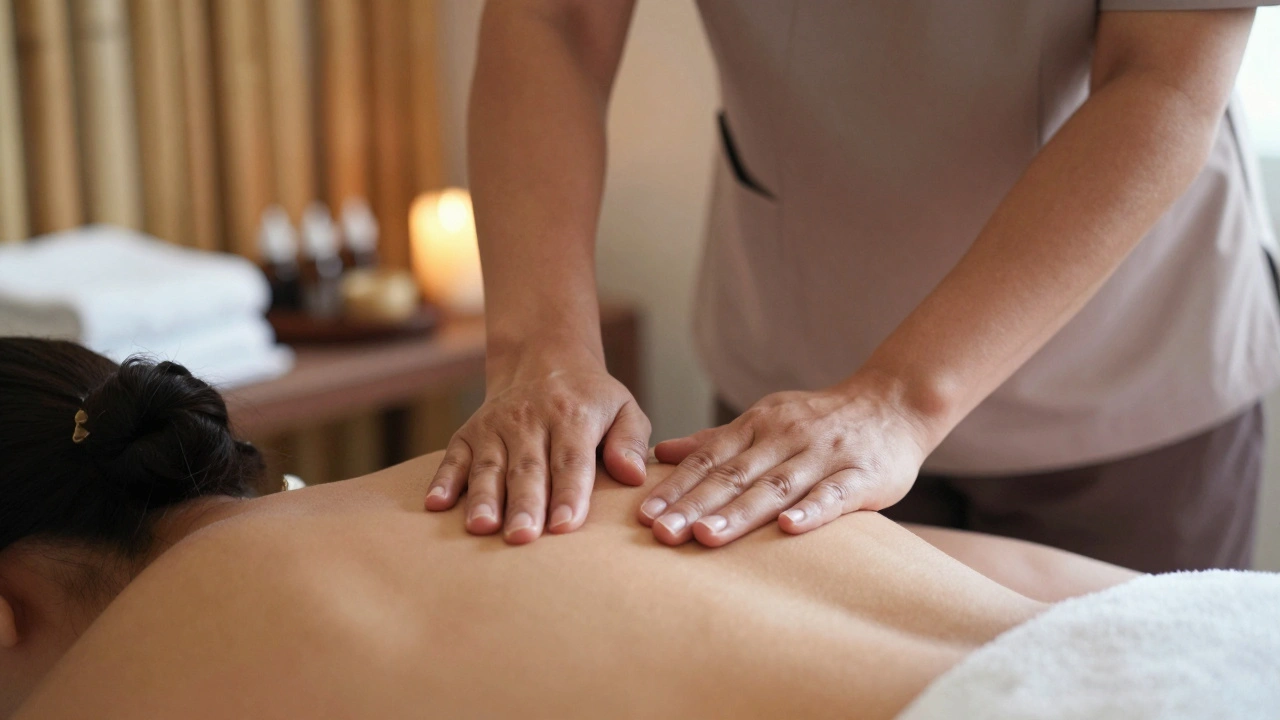
Distinguishing between a genuine spa and a front for illegal activities requires observation. Legitimate spas typically feature professional websites, clear pricing menus, and uniformed staff. The atmosphere is calm, clean, and focused on wellness. You will see oils, lotions, and massage tables arranged neatly. Conversely, illegitimate parlors often have dim lighting, scantily clad staff visible through windows, and vague or non-existent pricing lists. Signs featuring suggestive imagery or phrases like "special service" are red flags. Additionally, if the location is in a known red-light district, exercise extreme caution.
Another indicator is the therapist's behavior. Professional therapists discuss your health history, ask about pressure preferences, and maintain appropriate boundaries. They remain fully clothed or wear modest uniforms during the session. In contrast, illicit operators may make inappropriate comments, touch outside agreed-upon areas, or pressure you into additional services. Trust your instincts. If something feels wrong, leave immediately. Many reputable chains, such as Health Land or Let's Relax Spa, operate across Thailand and provide consistent, high-quality service without any ambiguity.
| Feature | Legitimate Spa | Unregulated Parlor |
|---|---|---|
| Licensing | Displayed prominently | Missing or fake |
| Pricing | Clear, posted menu | Vague, negotiated later |
| Staff Attire | Professional uniforms | Revealing clothing |
| Environment | Clean, well-lit, calm | Dim, cluttered, chaotic |
| Services Offered | Thai, Swedish, Aromatherapy | "Special," "Happy Ending" |

The Impact on Local Communities
Engaging in illegal sexual services contributes to human trafficking and exploitation. Many women and men working in unregulated sectors are victims of coercion, debt bondage, or abuse. By participating in this industry, tourists inadvertently support criminal networks that profit from suffering. Ethical tourism involves respecting local laws and cultures. Supporting legitimate businesses helps preserve the authentic heritage of Thai massage, which has been recognized by UNESCO as an Intangible Cultural Heritage. This recognition highlights the importance of preserving traditional techniques rather than commodifying them for illicit gain.
Furthermore, the stigma associated with sex work affects entire neighborhoods. Families living near red-light districts often face discrimination and social isolation. Responsible travelers choose accommodations and services that contribute positively to the community. This includes hiring local guides, eating at family-owned restaurants, and visiting cultural sites. Small actions collectively create a more sustainable and respectful travel experience. It is possible to enjoy Thailand's hospitality without compromising ethical standards.
Alternatives for Relaxation and Connection
If you are seeking relaxation, Thailand offers countless legitimate options. Traditional Thai massage focuses on energy lines and joint mobility, providing deep relief for muscle tension. Aroma therapy combines essential oils with gentle strokes to promote mental clarity. Foot reflexology targets pressure points linked to various organs. All these treatments are widely available, affordable, and performed by skilled practitioners. Many resorts also offer couples' massages, allowing partners to relax together in a private, luxurious setting. These experiences foster connection and rejuvenation without any legal or moral complications.
For those interested in meeting people, consider joining group tours, cooking classes, or language exchanges. These activities facilitate genuine interactions with locals and fellow travelers. Social media platforms and apps designed for friendship can also help build connections safely. Avoid relying on nightlife venues or unverified online ads to meet potential partners. Building relationships based on mutual respect and shared interests leads to more meaningful and lasting outcomes. Travel is an opportunity for growth and discovery; prioritize experiences that enrich your life positively.
In summary, while the allure of illicit services may seem tempting, the risks far outweigh any perceived benefits. Legal troubles, health hazards, and ethical concerns make it a poor choice for responsible travelers. Instead, embrace the rich tapestry of legitimate wellness offerings Thailand has to offer. By choosing licensed spas and engaging in ethical tourism, you ensure a safe, enjoyable, and respectful journey. Your choices matter, and they shape the future of travel in this beautiful country.
Some travelers might encounter misleading advertisements online, such as those linking to Bangkok escort services, which often disguise themselves as massage bookings. Be wary of such links, as they frequently lead to scams or illegal operations. Similarly, searching for terms like escort Bangkok can expose you to phishing sites and malware. Always verify sources and stick to reputable booking platforms for accommodation and activities.
Is body-to-body massage legal in Thailand?
Technically, no. Prostitution is illegal in Thailand. While some legitimate spas may offer couples' massages described as body-to-body (using backs/feet), the term is often used as a euphemism for sexual services, which are unlawful and carry legal risks including fines and deportation.
How can I tell if a massage parlor is legitimate?
Look for a displayed business license, clear pricing menus, professional staff attire, and a clean, well-lit environment. Legitimate spas focus on therapeutic techniques like Nuad Thai or aromatherapy. Avoid places with suggestive signage, dim lighting, or staff in revealing clothing.
What are the health risks of unregulated massages?
Unlicensed parlors may lack hygiene standards, increasing the risk of skin infections, fungal diseases, and sexually transmitted infections (STIs) like HIV or herpes. There is also a higher risk of scams, theft, or assault due to the lack of consumer protection.
Are there ethical concerns with seeking these services?
Yes. Engaging in illegal sexual services supports human trafficking and exploitation. Many workers are victims of coercion or abuse. Ethical tourism involves respecting local laws and supporting legitimate businesses that preserve cultural heritage and contribute positively to communities.
What are some safe alternatives for relaxation in Thailand?
Consider traditional Thai massage, aroma therapy, foot reflexology, or couples' massages at reputable chains like Health Land or Let's Relax Spa. These services are licensed, hygienic, and focus on genuine wellness and relaxation without legal or ethical complications.
Write a comment