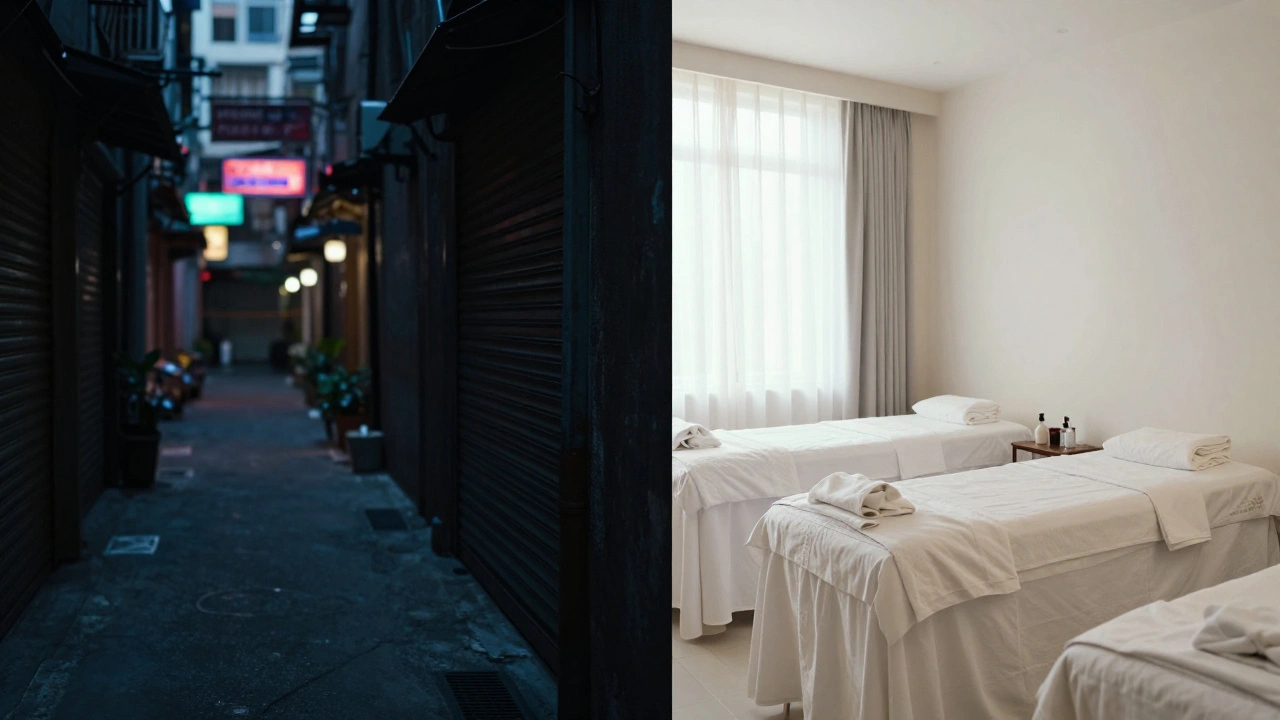
You’ve probably seen the ads. They pop up on late-night browser tabs or appear in shady directories while you’re traveling abroad. The promise is always the same: a relaxing bodywork session that ends with a specific kind of release. It sounds like a dream for some, but for most people searching for the best happy ending massage, it’s actually a trap. Before you book anything based on those vague promises, you need to understand what you are really signing up for. This isn’t just about morality; it’s about your wallet, your health, and potentially your legal status.
The term "happy ending" has become code for prostitution in the massage industry. In legitimate therapeutic settings, this phrase is never used by licensed professionals. When you see it advertised, you are looking at an illegal operation. These establishments often operate in a gray area, using the guise of wellness to hide illicit activities. Understanding the difference between a real spa and a front is crucial for anyone who values their safety and wants genuine relaxation.
The Reality Behind the Term
Let’s clear up the confusion right away. A legitimate massage therapist focuses on muscle tension, circulation, and stress relief. Their training involves anatomy, physiology, and specific techniques like Swedish, Deep Tissue, or Shiatsu. None of these curricula include sexual services. The concept of a "happy ending" is a euphemism created by the underground sex trade to attract customers who might be hesitant to seek out explicit prostitution services directly.
When you search for this type of service, you are entering a world that lacks regulation. There are no health inspections, no background checks on workers, and no standards for hygiene. The person giving the massage may not have any training in human anatomy. They might be there under duress, exploitation, or simply as part of a criminal enterprise. What looks like a convenient pleasure trip can quickly turn into a nightmare involving theft, assault, or worse.
In many countries, including parts of Southeast Asia where these ads are rampant, the lines between tourism and exploitation are blurred. For example, if you are traveling to Thailand, you might encounter various online offers ranging from legitimate spas to illegal operations. Some travelers mistakenly believe that local laws don't apply to them or that certain districts are safe havens for such activities. In reality, engaging with these services supports human trafficking networks. If you are looking for information on Bangkok escort services or similar listings, you are likely navigating sites that exploit vulnerable individuals. It is vital to recognize that these platforms often disguise illegal activities behind the facade of hospitality.
Health and Safety Risks
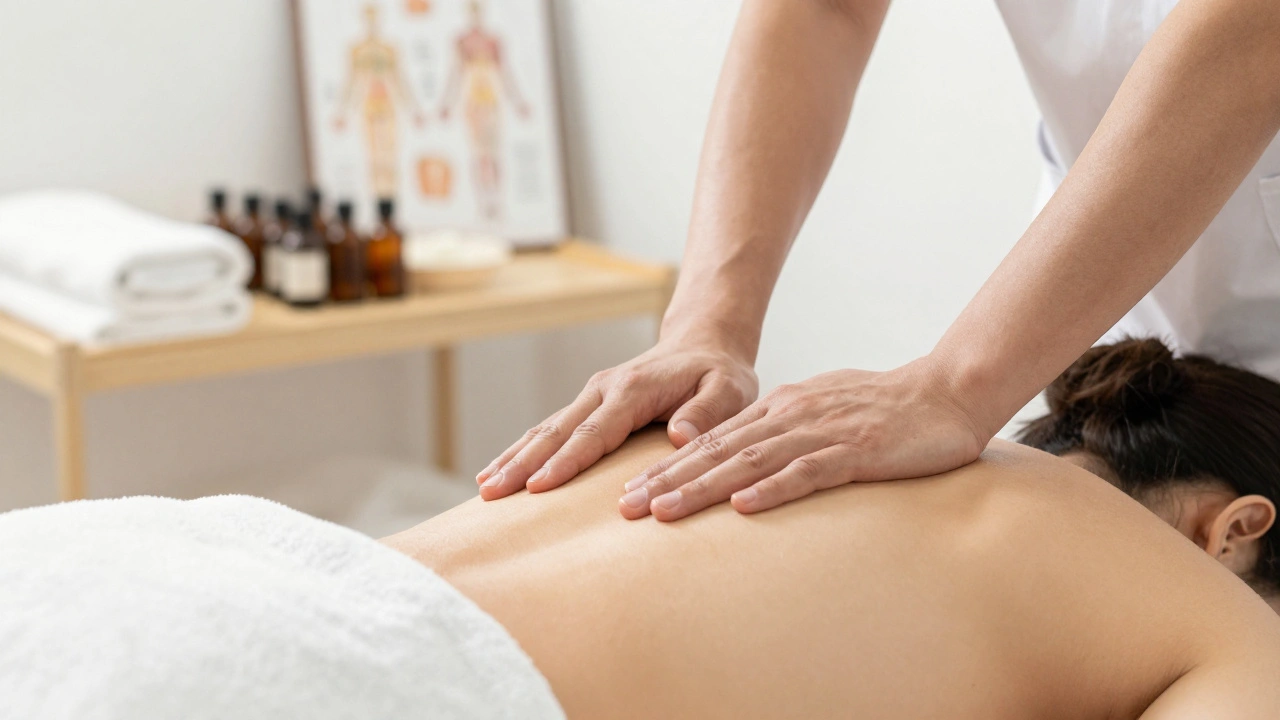
The physical risks are significant. Legitimate spas use sanitized linens, clean oils, and hygienic practices. Illegal parlors often cut corners. You could be exposed to skin infections, sexually transmitted infections (STIs), or even bloodborne pathogens if needles or sharp objects are involved in unsterile conditions. Without proper licensing, there is no accountability. If something goes wrong, you have nowhere to turn. Police involvement usually means you are the one facing charges, not the establishment.
Mental and emotional safety is also compromised. These environments are designed to lower your inhibitions. Once you are in a private room with someone whose intent is transactional rather than therapeutic, power dynamics shift dangerously. Stories of clients being robbed at gunpoint, drugged, or coerced into paying more money are not rare. The isolation of these locations makes them perfect for crime. You are alone, possibly intoxicated, and in an unfamiliar place. That is a recipe for disaster.
Furthermore, the psychological impact of participating in illegal activities can be profound. Even if nothing physically harmful happens, knowing you were part of an exploitative system can lead to guilt and anxiety. True relaxation comes from feeling safe and respected, not from hiding in the shadows of the law.
Legal Consequences Around the World
Laws regarding prostitution and solicitation vary widely, but they are rarely forgiving for tourists. In the United States, for instance, prostitution is illegal in all states except for regulated counties in Nevada. Engaging in such acts can result in fines, jail time, and a permanent criminal record. This can affect your ability to travel, get jobs, or even maintain professional licenses.
In Europe, countries like Germany and the Netherlands have decriminalized or regulated prostitution, but strict rules apply. Operating outside these regulations is still a crime. In Asia, countries like Thailand, Cambodia, and Vietnam have strict anti-prostitution laws, though enforcement can be inconsistent. Tourists who are caught face deportation, imprisonment, and public humiliation. Many nations have increased penalties specifically targeting foreign nationals involved in sex tourism.
Even if you think you are being discreet, digital footprints remain. Booking apps, credit card transactions, and hotel records can all be traced. Authorities increasingly collaborate across borders to combat sex trafficking and exploitation. Getting caught doesn’t just ruin your vacation; it can derail your life back home.
How to Spot a Front Operation
If you are unsure whether a place is legitimate, look for red flags. Legitimate spas have clear pricing listed publicly. They do not offer "special deals" that require cash only or happen after hours. The staff will be dressed professionally, and the facility will be well-lit and accessible. There will be no signs suggesting sexual services, such as suggestive language, photos of scantily clad individuals, or references to "happy endings."
Another major warning sign is the lack of online presence beyond basic listings. Real businesses have websites with detailed service menus, therapist bios, and customer reviews on independent platforms like Yelp or TripAdvisor. If a place only exists on obscure forums or adult-oriented directories, avoid it. Also, check for licensing information. In many jurisdictions, massage therapists must display their license numbers prominently. If they refuse to show proof of certification, walk away.
Trust your instincts. If something feels off, it probably is. Pressure to book immediately, vague descriptions of services, and reluctance to answer questions are all tactics used to lure victims. Don’t let peer pressure or curiosity override your common sense.
Alternatives for Genuine Relaxation
There are countless ways to achieve deep relaxation without risking your safety or legality. Consider booking a session with a licensed massage therapist who specializes in stress relief. Techniques like Swedish massage, aromatherapy, and hot stone therapy are proven to reduce cortisol levels and improve mood. These sessions focus entirely on your well-being, providing a safe space to unwind.
You can also explore other wellness activities. Yoga, meditation, and acupuncture offer holistic benefits that address both mind and body. Many hotels and resorts now offer high-quality spa services that adhere to strict hygiene and professionalism standards. Investing in these experiences ensures you leave feeling refreshed and rejuvenated, not anxious or guilty.
If you are seeking intimacy or connection, consider talking to a partner or exploring consensual, legal avenues. Healthy relationships built on mutual respect provide far greater satisfaction than anonymous transactions. Prioritizing emotional health over fleeting physical gratification leads to lasting happiness.
Is getting a happy ending massage illegal?
Yes, in most countries, including the US, UK, Canada, and much of Asia, soliciting or receiving sexual services is illegal. It falls under prostitution laws, which carry severe penalties including fines, imprisonment, and deportation for tourists.
Can I get sick from an illegal massage parlor?
Absolutely. Unregulated establishments often lack proper hygiene protocols. You risk contracting STIs, skin infections, or other diseases due to unsanitary conditions and lack of medical oversight.
How do I know if a massage therapist is licensed?
Legitimate therapists display their state or national license number in their office. You can verify this number through official government health department websites. They also work in established clinics or spas with transparent pricing and professional attire.
Are there safe places to find companionship while traveling?
For social interaction, join guided tours, stay in hostels with communal areas, or use reputable dating apps that prioritize safety and consent. Avoid any service that hints at sexual favors for payment, as these are almost always linked to exploitation.
What should I do if I feel unsafe during a massage?
Leave immediately. Do not worry about paying. Your safety is paramount. If you are threatened or assaulted, contact local police or your country’s embassy. Keep evidence and report the incident to help prevent future crimes.
Write a comment